
My Story
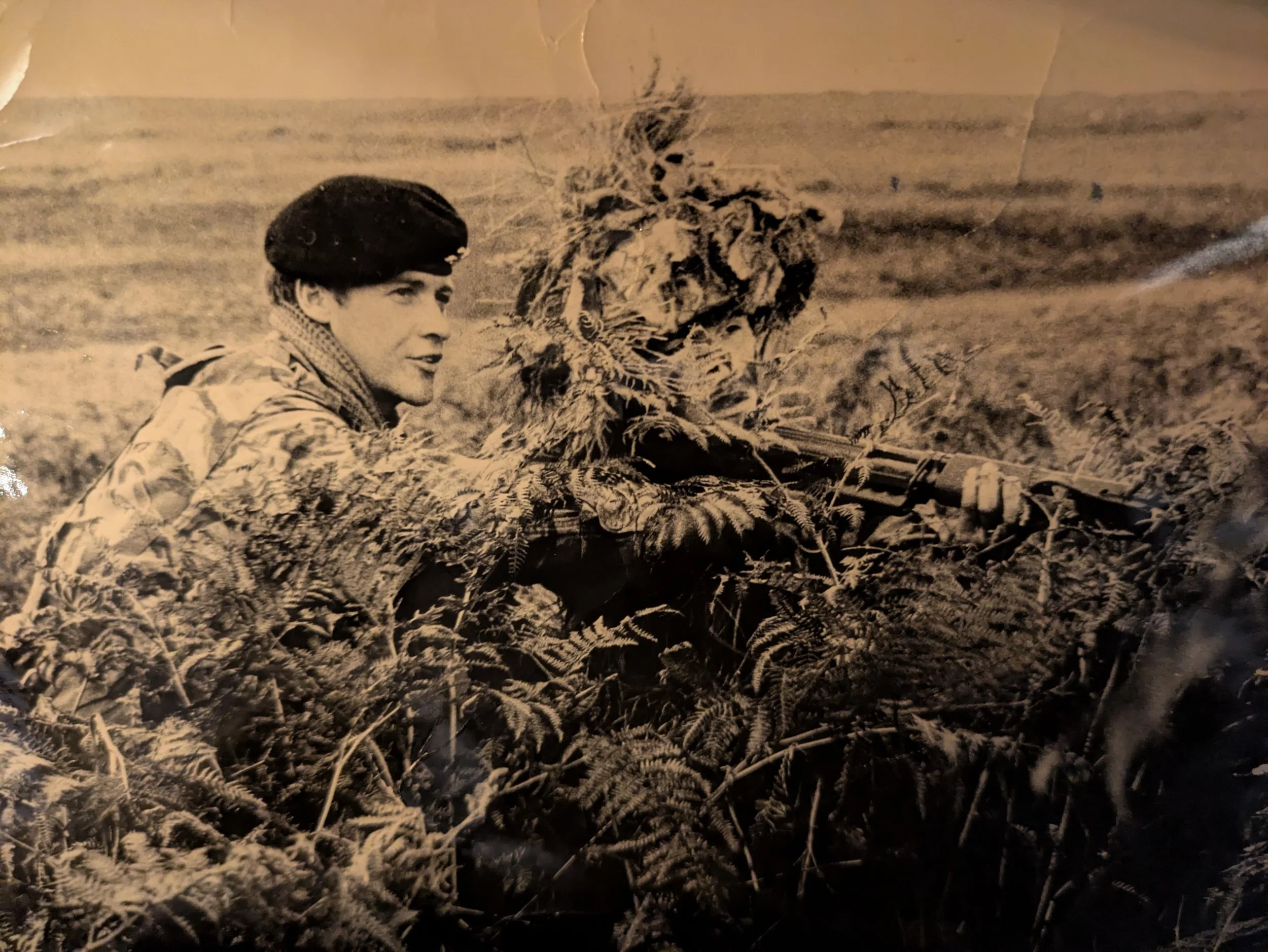
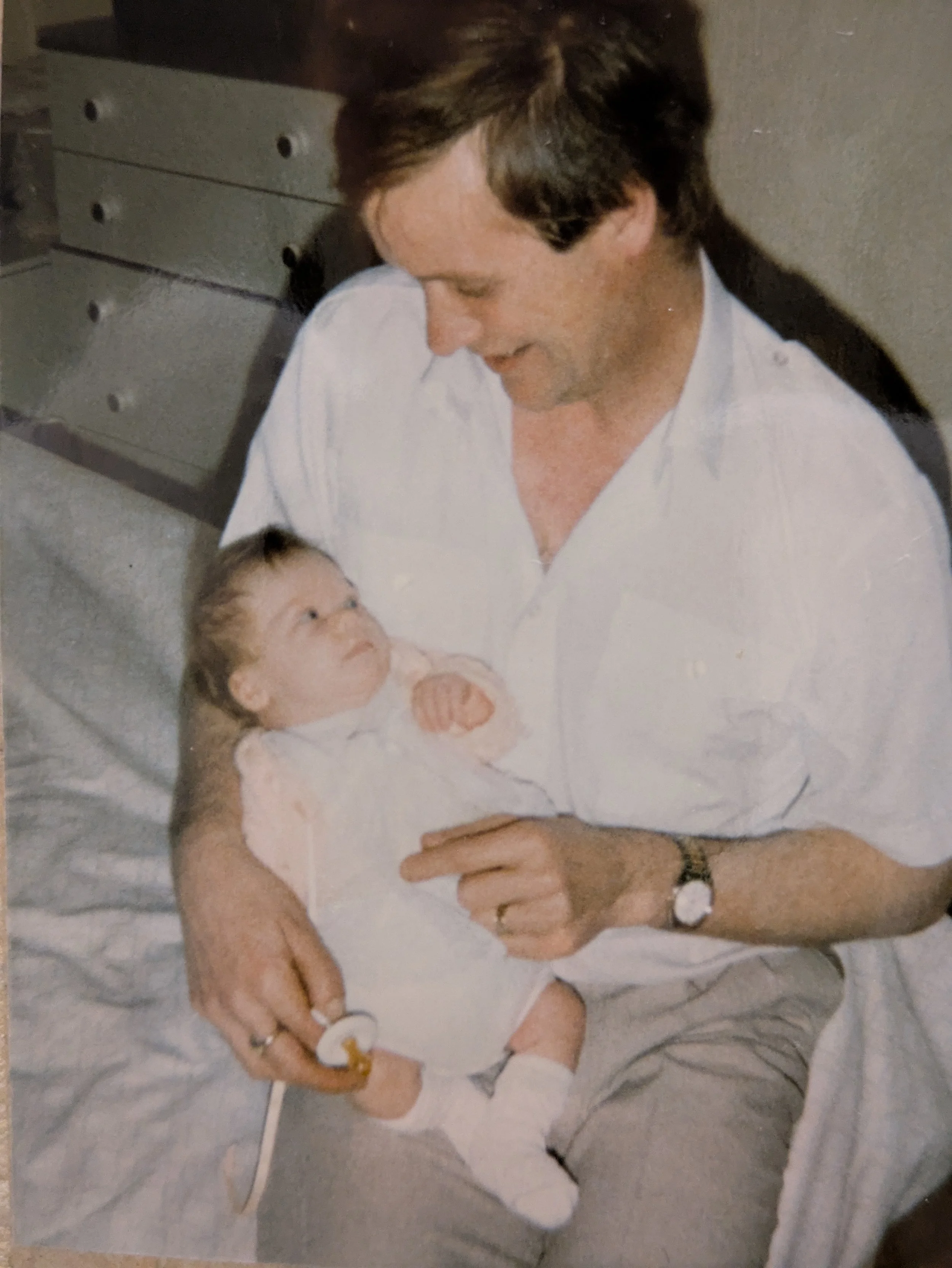
My story really starts with my dad.
He had a very difficult childhood and left home at just fourteen years old to work as a trawlerman. He would go out to sea for months at a time, often to the Icelandic waters. The conditions were brutal. The cold was so intense that he used to say cups of water could freeze almost instantly.
He was still just a boy, but the men on those boats were hardened and rough. At one point he developed scurvy and had to have all of his teeth removed on the boat without anaesthetic because there was no proper medical care available.
At eighteen he joined the army and eventually became a sergeant and a weapons specialist. Later he worked in high security roles, including protection work during the time Margaret Thatcher was Prime Minister.
But like many people who have experienced trauma, he carried a lot with him. What we would now recognise as PTSD slowly took hold. He struggled with gambling and alcohol and became aggressive at times. He couldn’t hold down jobs and repeatedly lost his driving licence due to drink driving.
My mum worked incredibly hard to keep things going at home. She would leave early in the morning and come back late in the evening.
In the mornings my dad could be lovely. But by the time evening came, alcohol had usually changed him into someone else. My siblings and I were often left dealing with that shift.
We didn’t have money for clubs or activities. In many ways we made our own fun. We climbed trees and spent hours outside exploring the countryside , which was great fun!
But I also tried to stay out of the house as much as possible.
I watched my dad start fights and sometimes come home covered in blood. Over time his behaviour became more aggressive and unpredictable.
Eventually he became very ill, and I watched him die at home at the age of 13.
After that, everything felt confusing and angry for me. I stopped going to school regularly and struggled to see where my life was going.
My extended family lived in Hackney, and I spent a lot of time at my grandmother’s house on De Beauvoir Road. Today people recognise that area because it appears in the series Top Boy, which shows the gang culture that exists there.
At the time, it was simply normal life to me.
My grandmother was blind and deaf, but she was also one of the most incredible people I’ve ever known. Because of her disabilities, it was easy for me to slip out of the house at night and spend time on the estates where gangs gathered.
The gangs were violent. Knife attacks weren’t unusual and sometimes there were guns. One of my friends was shot at fourteen.
Looking back now, I realise something important though. What drew me there wasn’t just anger.
During the day those same young people would sometimes sit together playing hand drums, creating music. People would gather around them. There was rhythm, laughter and a strange sense of community.
But it was a dangerous community. Most of those teenagers had unstable families and were dealing with their own struggles. Children learned quickly that they had to fend for themselves.
Eventually I ran away to London to be around those gangs - luckily for me, my older brother brought me back to safety.
Anger was the only way I knew how to deal with things. I started fights because that was the behaviour I had seen growing up. I didn’t understand that people could disagree without it turning into conflict.
By this point I was incredibly lonely.
All of this happened before I was fifteen.
Then one day, by complete accident, I walked into a gym. I was actually looking for a training service where I could get qualifications and start working.
But something about that environment immediately felt different.
It wasn’t a classroom or a lecture. It was just people moving, training and supporting each other.
I ended up getting a job there.
The people at that gym became more than colleagues. They became mentors and friends. They showed me a completely different way of dealing with life.
I learned how to handle conflict without aggression, I learned how to listen, I learned that I was actually good at something and most importantly, I learned that I mattered.
That gym completely changed the direction of my life.
Unfortunately, my story isn’t unusual. Many children grow up dealing with things that are invisible to the outside world.
That’s why spaces like sports clubs, youth groups and activity centres matter so much. They are not just places where children learn skills. They are places where they find belonging, confidence and people who believe in them.
Without that gym, my life could have gone in a very different direction.
Today I have three wonderful children, a supportive husband, a long career in accounts, a career teaching yoga that I love, and a life filled with movement, community and friendships.
That one opportunity changed everything.
And that is why the Ilkley Movement Project matters so much to me.
Let’s Work Together
If you’re interested in helping this project come to life - all skills and hobbies welcome - please contact me!